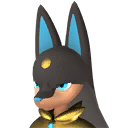
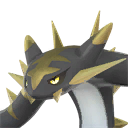
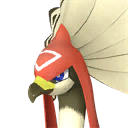
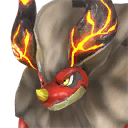
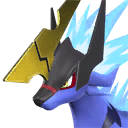
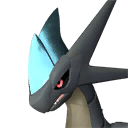
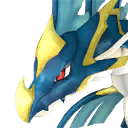
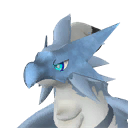
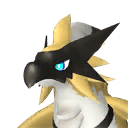
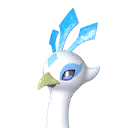
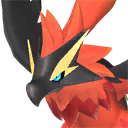
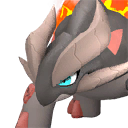
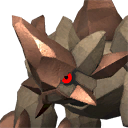
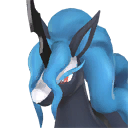
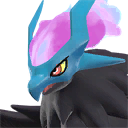
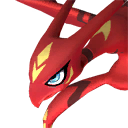
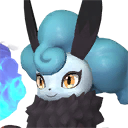
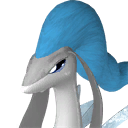
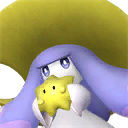
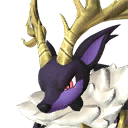
These are the shortest routes to the targets players plan most often, taken from the same Palworld 1.0 data the planner above uses. Each route starts from the most obtainable parent pair, then expands the rarer of those two parents one more generation back.
26 Pals are missing from this table on purpose. Legendary and raid Pals such as Jetragon, Frostallion, Necromus and Shadowbeak only breed true, so no tree reaches them — you have to catch those.
Each Pal carries a hidden CombiRank. Palworld averages both parents' CombiRank, rounds up, and returns the closest Pal in the 183-entry ordinary pool. A breeding tree runs that backwards: it finds the pairs that average to your target, then finds the pairs that produce those parents, one generation at a time.
How many generations should I plan?
Two generations is enough when you already own mid-tier Pals. Three or four generations matter when your target only comes from parents you cannot catch, so you need a route that bottoms out in Pals available in the wild.
Why do some branches stop expanding?
A branch stops when every available pair for that parent repeats the target or an ancestor already in the tree. That route would loop, so the planner marks it instead of expanding it. Special-combo Pals also stop early because they have one fixed pair rather than a formula range.
Does the breeding tree account for special combos?
Yes. All 164 special combos override the formula before any rank matching happens, so a branch shows the fixed parents when one applies.